Many problems blamed on a bad thermos come from the routine around it: filling a cold bottle, leaving it mostly empty, opening it repeatedly and storing it damp. Good habits cannot transform poor insulation, but they make performance easier to judge fairly.
1. Not preheating it
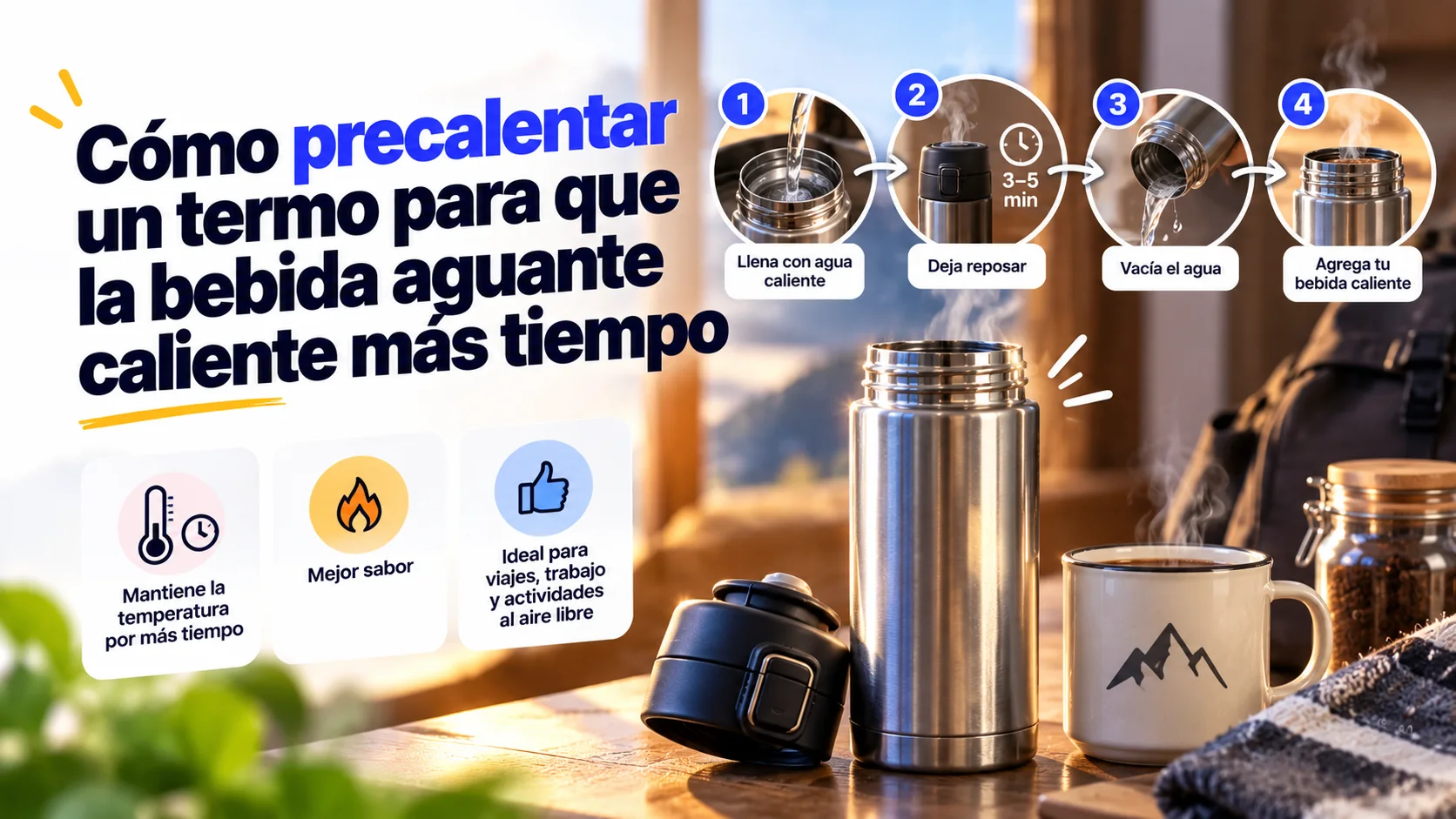
If the model allows hot drinks, preheating the interior reduces the initial loss.
2. Making the coffee too early
Letting the drink wait before filling the thermos already uses part of its hot window.
3. Using a huge thermos for a small amount
More air and less drink mass change retention.
4. Opening it constantly
Every opening exchanges air and heat.
5. Closing the lid poorly
A shifted gasket or dirty threads affect the seal and can create leaks.
6. Leaving coffee in overnight
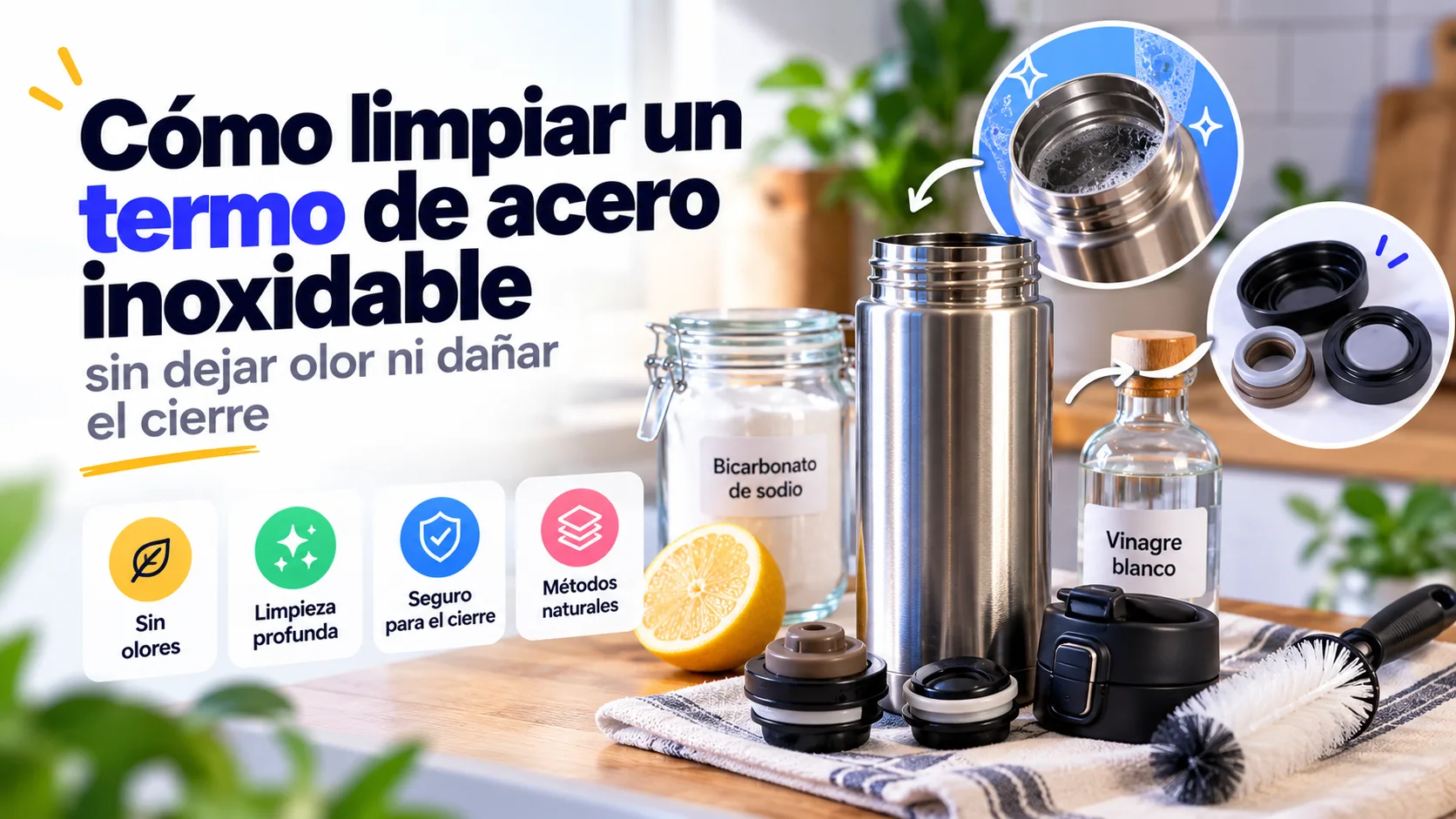
Residue dries on the lid and gasket and the odor is then much harder to remove.
7. Storing it closed and damp
Trapped moisture encourages unpleasant odors.
8. Washing without removing authorized parts
The visible surface can be clean while residue remains under the gasket.
9. Comparing it with a figure from another model
Advertised hours are specific to the product and the conditions. Test your unit with your real volume and routine.
Practical takeaway
Change one variable at a time before replacing the bottle: cleaning, gasket position, fill amount, starting temperature or use pattern. Follow the exact model instructions. For perishable food and drinks, measured temperature and current food-safety guidance matter more than how warm or cold the container feels.