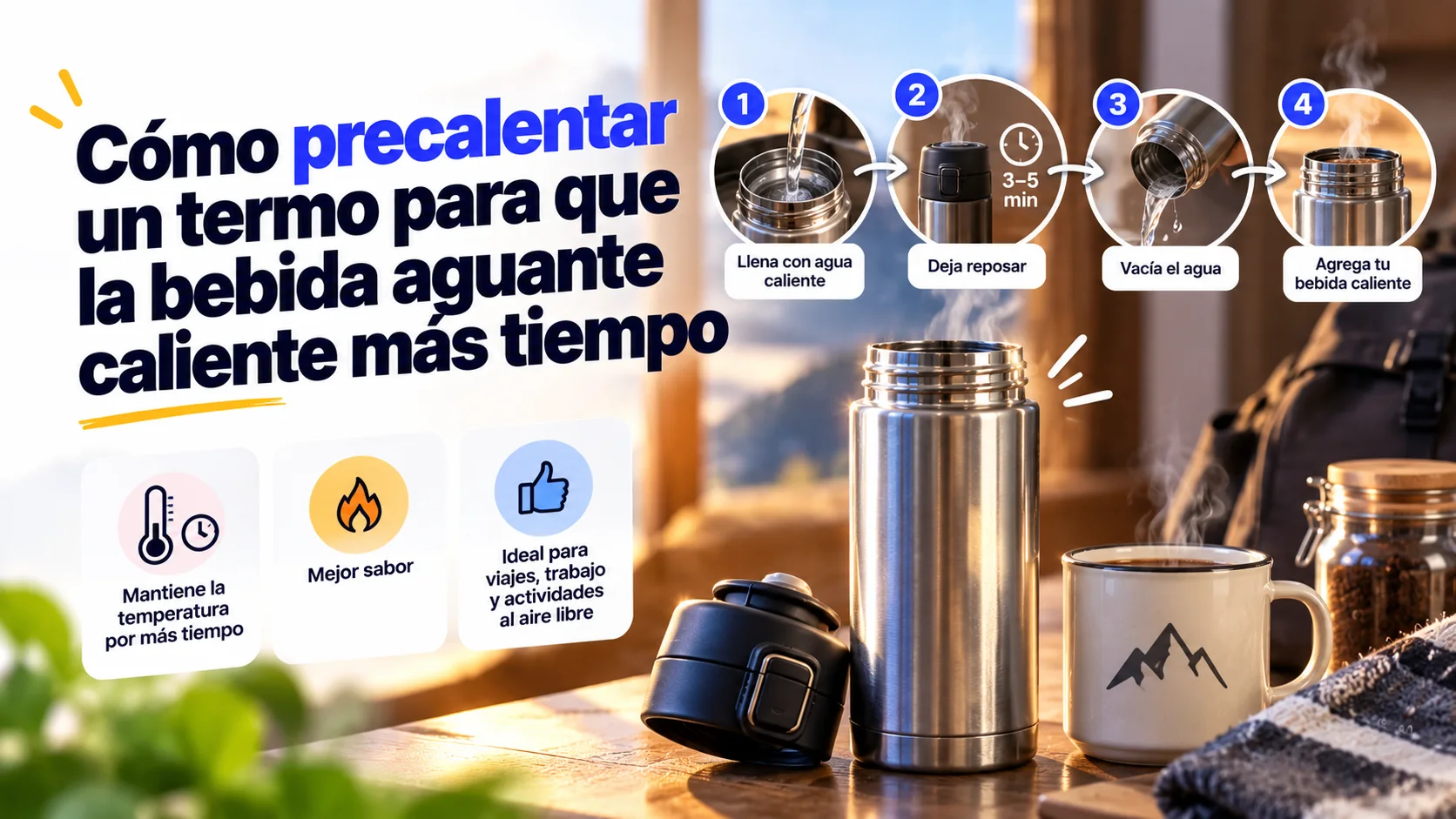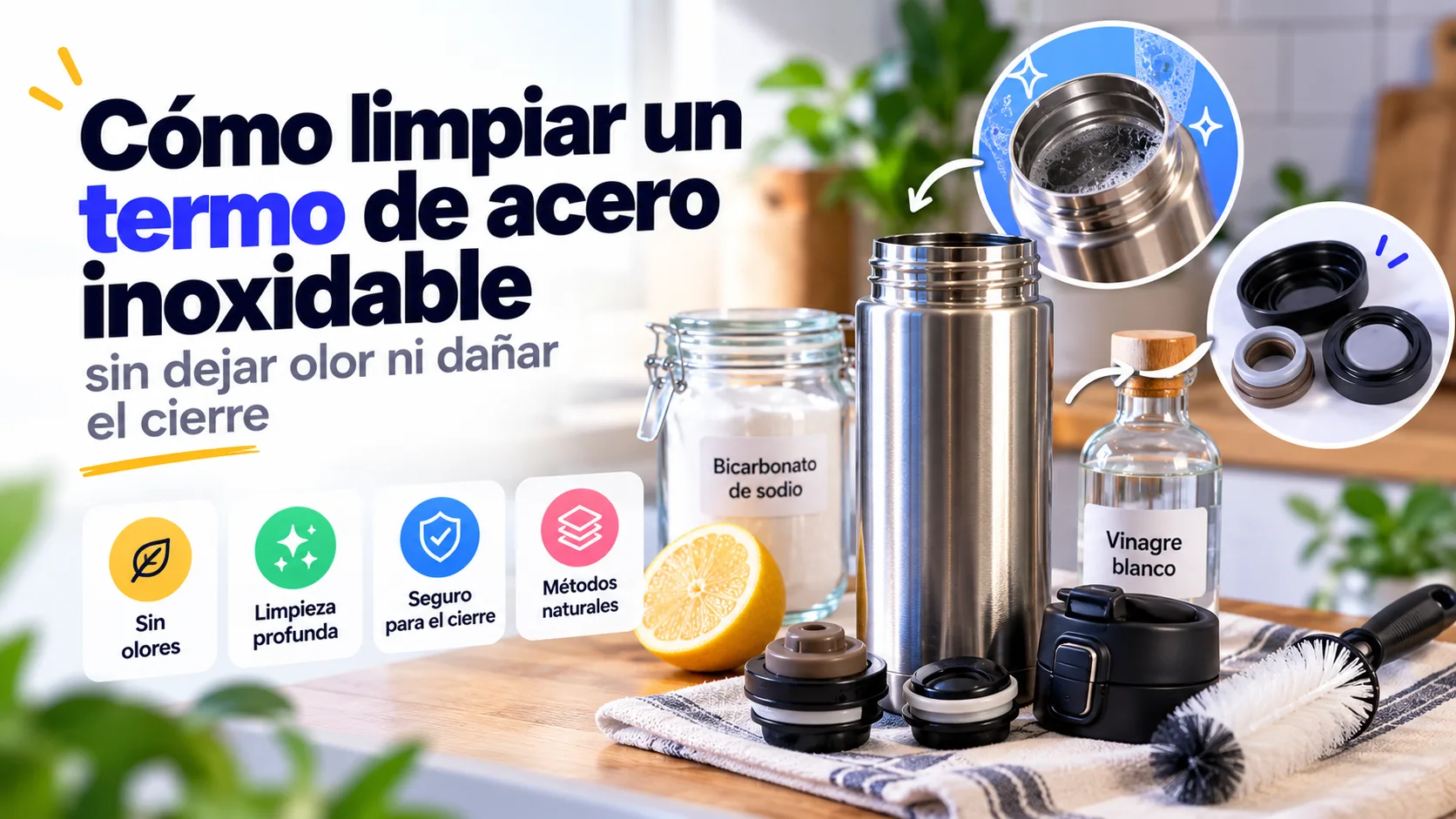
A good vacuum bottle does not have a universal expiration date. The body may work for years while a gasket, lid or straw needs replacement earlier. The useful question is whether it still seals, can be cleaned thoroughly and performs as expected.
The gasket is a wear item
Compression, heat, drinks and cleaning can affect a gasket over time. If it is cracked or deformed, look for a replacement.
The lid may wear before the body
Buttons and mechanisms have more moving parts. A replaceable lid can greatly extend the life of the thermos.
Judge insulation by performance
If under similar conditions the contents lose temperature much faster than before, do a controlled test and contact support.
Looks do not decide everything
Exterior scratches can be cosmetic. Cracks, abnormal corrosion, structural damage or an unsafe closure do deserve attention.
Whether it can be cleaned
If there is a contaminated area you cannot reach or clean according to the instructions, hygiene matters more than squeezing out another year of use.
Spare parts before waste
Check official gaskets and lids by model number. Repairing wear parts can be cheaper and create less waste.
When to replace it
When it cannot be sealed safely, there is structural damage, the insulation has failed or it can no longer be kept hygienic, replacing it is reasonable.
Practical takeaway
Change one variable at a time before replacing the bottle: cleaning, gasket position, fill amount, starting temperature or use pattern. Follow the exact model instructions. For perishable food and drinks, measured temperature and current food-safety guidance matter more than how warm or cold the container feels.